Residential Roof Systems
Compare asphalt shingles, standing-seam metal, exposed-fastener metal, low-slope materials, and mixed assemblies by how each system fits the home, roof design, weather exposure, maintenance needs, and budget.

The right choice depends on slope, roof geometry, snow movement, ventilation, drainage, penetrations, appearance, maintenance expectations, ownership horizon, and project budget.
The Roof Is More Than the Shingles You See
The Best Roof Type Is the One That Fits the Whole Home
A roof should fit the slope, shape, snow movement, drainage, maintenance, appearance, ownership plans, and budget. That is why we start with the home, not a material slogan.
Schrock Roofing looks at the decking, underlayment, ice protection, fastening, panel movement, ventilation, flashings, valleys, penetrations, edges, gutters, snow retention, and low-slope transitions along with the visible material. Some homes need more than one compatible roof system because porches, additions, dormers, and the main roof do not always share the same slope or drainage needs.
Start With Your Priorities
What Matters Most for This Home?
Compare complete installed scopes
Asphalt shingles often provide a lower initial investment than concealed-fastener metal, but a useful comparison must include tear-off, decking, underlayment, ice protection, flashing, ventilation, trim, access, snow details, and low-slope sections.
Match the investment to how long you plan to own the home
Staying in the house for many years may justify a different roof system, detail package, or maintenance plan. A material label does not determine roof life by itself. Installation, exposure, maintenance, ventilation, and the written manufacturer requirements still matter.
Every roof needs inspection and care
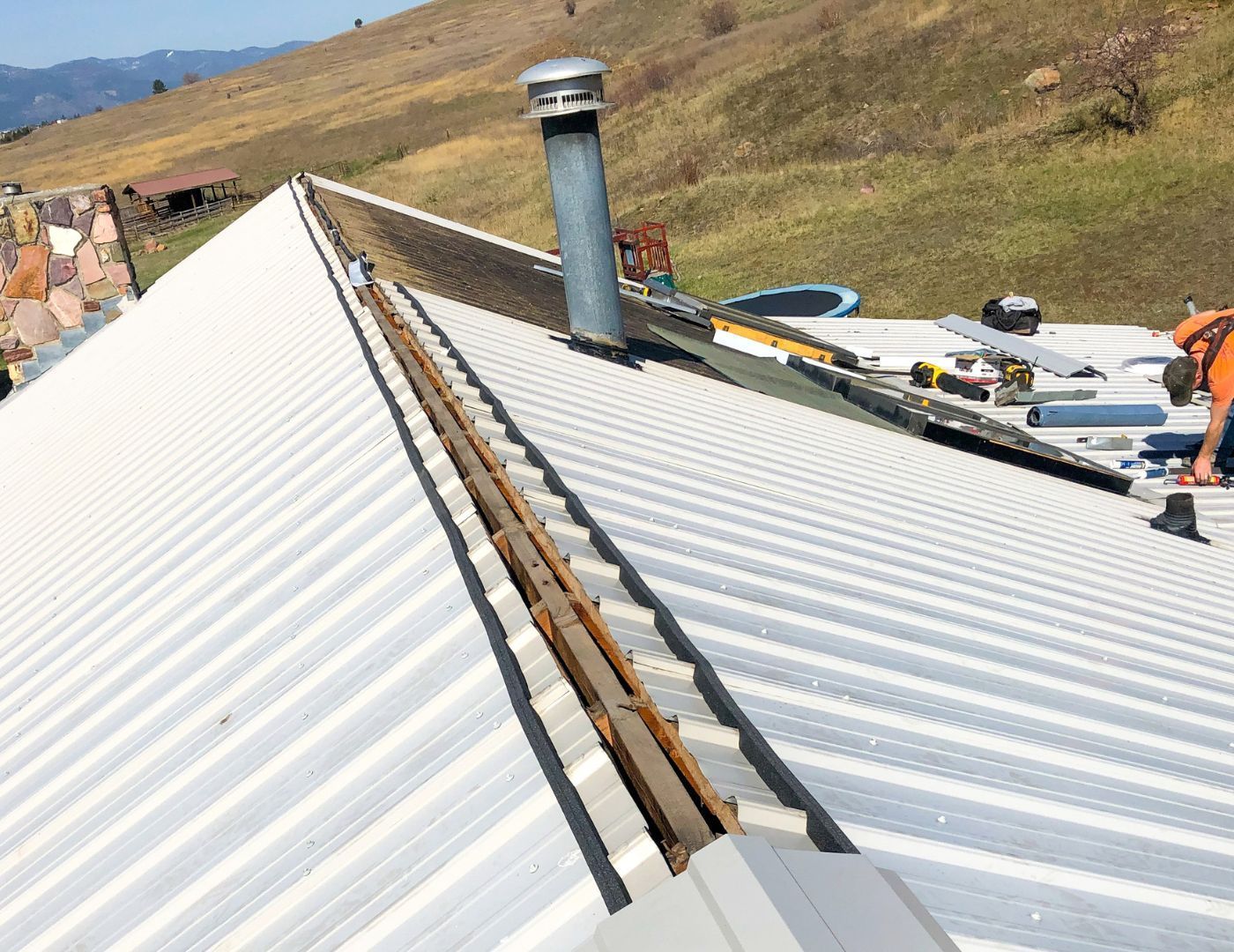
Shingles can require isolated replacement and flashing service. Standing-seam roofs need detail, sealant, penetration, and snow-system review. Exposed-fastener panels require deliberate fastener, washer, lap, and closure monitoring.
Control where snow and ice release
Smooth metal can release snow quickly. Roof slope, valleys, upper-to-lower transitions, entries, decks, parked vehicles, utilities, gutters, and neighboring property should shape the snow-retention and drainage plan.
Evaluate color, profile, and scale on the actual home
Panel width, seam height, shingle pattern, trim, gutters, siding, masonry, sun exposure, and neighborhood context all affect the finished appearance. Small samples do not show the full roof.
Complex details can control the material choice
Dormers, valleys, walls, chimneys, skylights, dead valleys, curved areas, and low-slope tie-ins may favor one material on the main roof and another on a secondary section.
Residential Options
Compare the Roof Systems Schrock Roofing Installs
Architectural Shingles
A practical option for many homes, with broad style selection and localized repair potential. The exact shingle line, fastening, underlayment, valleys, flashing, ventilation, and ice details belong in the scope.
Standing-Seam Metal
Concealed fastening and raised seams can support long-term planning, but panel movement, substrate, penetrations, valleys, trim, snow retention, and complex details require careful design.
Exposed-Fastener Metal
A practical metal option for appropriate applications. Fasteners, washers, laps, closures, sealants, underlayment, and the future inspection path must be understood before selection.
Low-Slope Materials
Porches, additions, dead valleys, and low-slope tie-ins need materials approved for the measured slope. A steep-slope product should not be forced onto a section it was not designed to protect.
Mixed Roof Systems
Some homes need shingles, metal, or membrane materials on different sections. We design the transitions to handle drainage, concentrated snow, panel movement, and future repair access.
What You Cannot See From the Street
The Supporting Components Decide Whether the Roof Works
Deck and Preparation
The roof deck, tear-off findings, fastening surface, moisture damage, transitions, and substrate requirements establish the base for the new system.
Water and Ice Protection
Underlayment, ice barrier, valleys, eaves, walls, penetrations, low points, and material tie-ins must direct water away from vulnerable areas.
Fastening and Movement
Shingle fastening patterns, concealed clips, exposed screws, panel length, thermal movement, laps, and closures change with the selected system.
Flashing and Openings
Chimneys, skylights, pipe boots, walls, valleys, roof edges, curbs, and mechanical penetrations need system-compatible details.
Ventilation and Moisture
Intake, exhaust, attic conditions, insulation interaction, air leakage, and condensation concerns should be separated from exterior water entry.
Snow and Drainage
Gutters, downspouts, snow retention, lower roofs, entries, decks, utilities, valleys, and drift zones must be evaluated together.
Scope and Cost
What Changes the Price of Each Roof Type?
- Roof size, pitch, height, geometry, access, and staging
- Tear-off layers, deck condition, moisture, and concealed damage
- Selected material line, profile, gauge, finish, and accessories
- Underlayment, ice barrier, flashing, ventilation, and edge details
- Valleys, walls, dormers, skylights, chimneys, and penetrations
- Low-slope sections, mixed-material transitions, gutters, and snow retention
A material-only price is not a roof comparison. Our written scope defines preparation, components, details, exclusions, allowances, the records you will receive, and the current coverage terms for the exact roof system being proposed.
From Options to Written Scope
How to Choose the Roof System
You Set the Priorities
Tell us about your budget, appearance preferences, maintenance tolerance, ownership plans, and timing.
We Measure the Roof
We confirm the slopes, geometry, drainage, transitions, access, and snow-release areas.
We Check the Conditions
We review the existing roof system, decking concerns, ventilation, earlier work, and known failures.
We Compare Complete Roof Systems
We compare the visible materials together with preparation, components, details, and maintenance.
We Review the Samples With You
We look at actual color, profile, trim, snow details, and relevant completed project examples.
We Write the Scope
We document the selected system, included work, allowances, exclusions, current coverage, and next steps.
From a Schrock Roofing Client
The Work Matters, and So Does Everything Around It
"They were conscientious about watching out for our pets. They cleaned up so well around the house it was better than when they started."
A Rodriguez
Direct Answers
Residential Roof System FAQs
What is the best roof type for a Montana home?
There is no universal winner. Schrock Roofing matches the roof system to the slope, roof design, snow movement, drainage, wind exposure, budget, appearance, maintenance tolerance, ownership plans, and the components under and around the visible roofing.
Are architectural shingles a good option in Western Montana?
They can be. Product line, fastening, ice protection, valleys, flashings, ventilation, roof slope, deck condition, and manufacturer requirements matter more than the category name alone.
What is the difference between standing seam and exposed-fastener metal?
Standing seam generally conceals the primary fasteners and accommodates panel movement through its designed attachment system. Exposed-fastener panels use screws with sealing washers through the panel. Their detailing, cost, appearance, and maintenance paths differ.
Are metal roofs maintenance-free?
No. Metal roofs still need appropriate review of seams, fasteners or clips, flashings, penetrations, sealants, closures, finish condition, snow devices, drainage, and work performed by other trades.
Does every metal roof need snow retention?
Not automatically, but smooth metal can release snow rapidly. Entries, walkways, decks, vehicles, utilities, gutters, lower roofs, and property boundaries should be evaluated before deciding where retention is appropriate.
Can shingles and metal be used on the same home?
Yes, when each material fits its roof section and the transition is deliberately designed. Drainage, snow concentration, thermal movement, flashing, underlayment, and future repair access must work together.
What should be used on a low-slope porch or addition?
The measured slope and manufacturer requirements should control the choice. That is why Schrock Roofing measures the section before recommending a material. Some steep-slope shingles and panels are not approved for low slopes, so a compatible membrane or another slope-appropriate roof system may be required.
Which roof type costs less?
Asphalt shingles often carry a lower initial cost than concealed-fastener metal, but roof size, complexity, tear-off, decking, components, flashing, ventilation, snow details, access, and mixed slopes can change the comparison substantially.
Missoula and the Bitterroot Valley
Choose the System After You Understand the Whole Roof
Schrock Roofing evaluates the roof design and compares compatible roof systems. We put the selected materials, details, and limits into a clear project scope.
Talk Through Roof Options