
Residential Roof Maintenance
Inspect vulnerable details, document changing conditions, and address appropriate minor maintenance before small issues become active leaks or larger roofing work.

Maintenance is preventative. Active leaks, damaged materials, concealed moisture, and failing roof sections may require a separate repair or replacement scope.
Preventative Care Starts With the Actual Roof
Maintenance Has Value When It Finds Change Before Water Reaches the House
Residential roofs usually show developing problems first at flashings, penetrations, valleys, edges, fasteners, sealants, drainage paths, and transitions, not in the middle of a perfect roof field.
Schrock Roofing starts with the roof type, age, slope, access, tree cover, snow movement, earlier repairs, warranty documents, and known trouble spots. We tell you what we will check, what minor work is included in the visit, what needs separate approval, and how we will record what we find.
What Should Maintenance Prioritize?
Start With the Condition Most Likely to Change
Debris changes how water leaves the roof
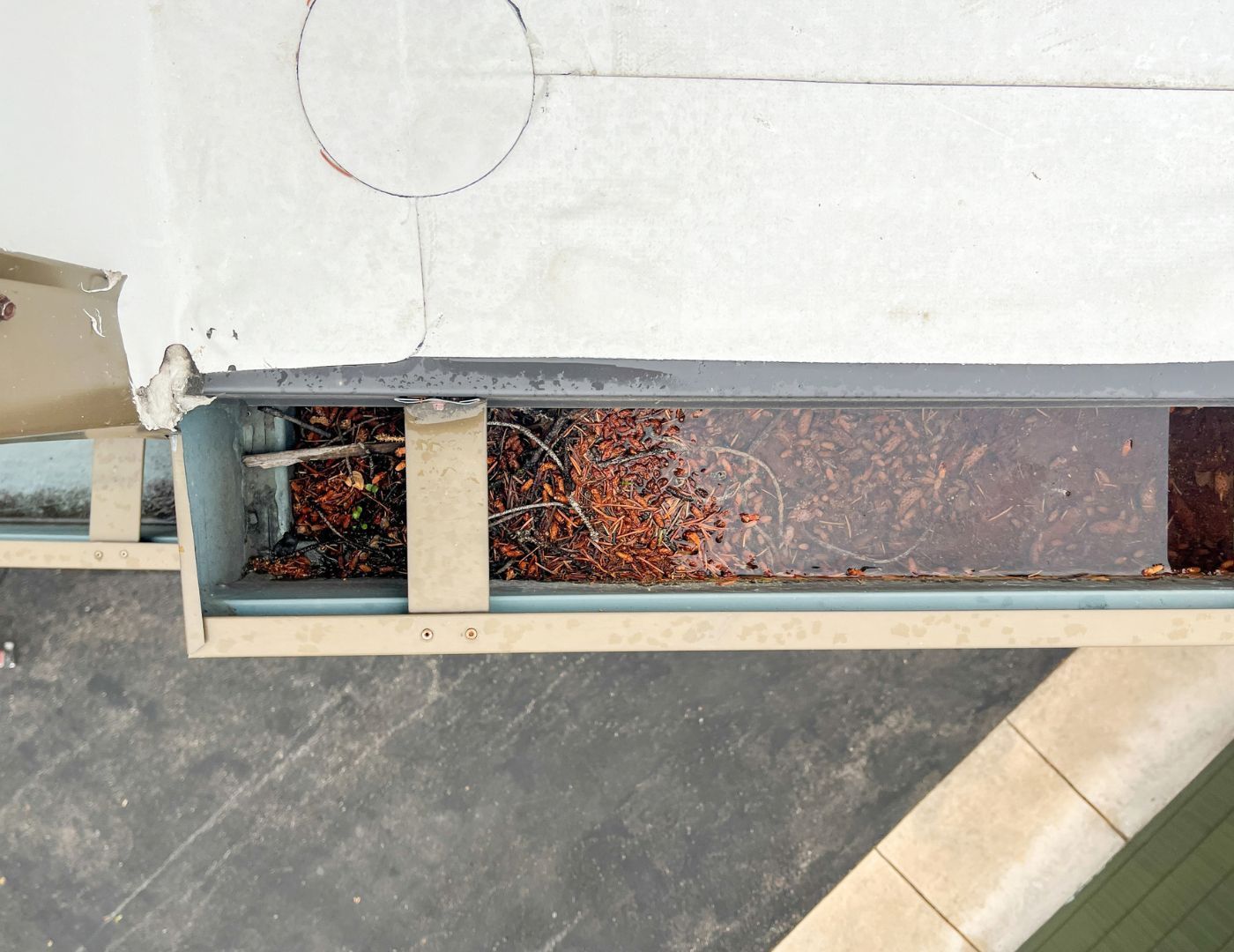
Branches, needles, leaves, seed pods, and shaded areas can hold moisture and block valleys, gutters, scuppers, and low-slope drainage. Our written scope defines safe access, debris-removal limits, drainage checks, and tree-related work that is not included.
Standing-seam and exposed-fastener roofs need different checks
Panel movement, seams, clips, fasteners, washers, laps, closures, sealants, penetrations, snow retention, and finish condition should be reviewed according to the installed system. Randomly tightening screws or coating seams can create new problems.
An aging roof needs a watch list and a replacement outlook
We record surface wear, earlier repairs, brittle or loose material, flashing condition, drainage, and decking concerns. That helps us separate useful maintenance from short-lived spending on a roof that is nearing replacement.
Compare new conditions with the last documented baseline
Wind, hail, falling debris, snow movement, and ice can change edges, flashings, fasteners, penetrations, and surface materials. A post-weather review is more useful when prior photos and written observations already exist.
The written warranty documents control the requirements
Maintenance duties, notice periods, approved repair methods, transfer rules, exclusions, and recordkeeping vary. The maintenance work should support the actual documents without promising that service automatically preserves every claim.
Unoccupied properties need a clear reporting path
An exterior roof visit does not replace watching the inside of the house. Our scope names who can provide access, who receives the report, how storms are handled, and who can approve urgent work.
The Maintenance Baseline
What a Professional Roof Visit Should Evaluate
Roof Surface
We check shingles, metal panels, membranes, coatings, seams, laps, fasteners, punctures, wear, old patches, and visible movement.
Flashings and Openings
We check walls, chimneys, skylights, plumbing vents, curbs, exhausts, valleys, transitions, caps, boots, and exposed sealant joints.
Drainage and Snow Paths
We look at gutters, downspouts, roof drains, scuppers, ponding areas, debris, low points, eaves, snow movement, and ice-prone details.
Inside Clues and Records
When included and accessible, we compare attic or interior clues, ventilation concerns, known leaks, repair history, photos, and earlier recommendations.
The Roof System Changes the Work
Maintenance Is Not the Same Checklist for Every Home
Asphalt Shingles
Track lifting, creasing, cracking, granule loss, exposed fasteners, repairs, seal-strip performance, flashings, valleys, and edge conditions.
Standing-Seam Metal
Review seams, panel movement, clips where evidence is available, flashings, closures, penetrations, snow retention, finish, and sealant joints.
Exposed-Fastener Metal
Track backed-out or overdriven fasteners, deteriorated washers, laps, closures, sealants, rust, penetrations, and patterns of panel movement.
Low-Slope Areas
Check drainage, ponding evidence, seams, terminations, walls, penetrations, transitions, membrane compatibility, and areas that collect snow or debris.
Mixed Roof Systems
We pay close attention where shingles, metal, and low-slope materials meet. Water, snow, and movement all have to be handled across the transition.
Complex Roof Details
Dormers, chimneys, skylights, intersecting slopes, additions, roof-to-wall conditions, and steep areas increase access and inspection requirements.
Scope Must Be Written Down
Know What the Visit Includes Before the Technician Arrives
The Scheduled Visit May Include
Our proposal identifies the inspection areas, records we can access, approved minor service, photographs, report format, and the way we will handle recommendations.
- Exterior visual and accessible detail review
- Condition photos and comparison with prior records
- Defined debris or drainage service, if included
- Written priorities for monitoring, repair, or replacement planning
Separate Authorization May Be Needed
Repair materials, controlled opening, replacement components, hazardous access, interior work, tree service, snow removal, and concealed damage should not be assumed to be included.
- Leak investigation or destructive testing
- Flashing, membrane, shingle, panel, or deck repair
- Special equipment, steep access, or weather stabilization
- Work by gutter, masonry, HVAC, electrical, or other trades
Timing and Service Cost
What Changes the Maintenance Schedule and Price?
- Roof type, size, height, pitch, complexity, and safe access
- Tree cover, debris load, shade, wind, snow, ice, and drainage exposure
- Roof age, prior repairs, active concerns, and known leak history
- Number of buildings, roof areas, systems, penetrations, and transitions
- Visit frequency, documentation requirements, and post-storm availability
- Included minor service versus separately approved repair work
Western Montana weather does not follow a perfect calendar. Snow cover, ice, wind, roof temperature, daylight, and access change what we can see and what is safe during a scheduled visit. We build enough room into the schedule to work around those conditions instead of pretending every part of a roof can be evaluated year-round.
From Baseline to Long-Term Record
How Professional Roof Maintenance Should Work
We Identify the Roof
We record the roof systems, age, known history, your plans for the home, access, and existing documents.
We Establish a Baseline
We create the first condition record with observations, photos, priorities, and anything we could not see.
We Define the Plan
We put the visit schedule, included service, exclusions, approval rules, and reporting in writing.
We Schedule the Visit
We plan service around the roof, weather exposure, seasonal access, and when someone is available.
We Inspect
We review the accessible roofing, details, drainage, penetrations, transitions, and known trouble spots.
We Complete Included Work
We complete only the minor service named in the proposal and record what we did.
We Separate Bigger Needs
We route urgent stabilization, repair proposals, other-trade work, and replacement planning separately.
We Compare Conditions
On later visits, we compare the roof with earlier records, mark completed items, and update the watch list.
From a Schrock Roofing Client
Responsive Help From People Who Know the Roof
"He as well is always kind and responds immediately to any issue that we may have with our roofing."
Janet Shupp
Direct Answers
Residential Roof Maintenance FAQs
How often should my roof be professionally checked?
Schrock Roofing recommends a schedule after establishing the roof condition and access requirements. There is no useful one-size-fits-all interval because roof type, age, tree cover, exposure, earlier problems, warranty documents, seasonal occupancy, and severe weather all affect timing.
Does a maintenance visit include roof repairs?
Only the work stated in the written scope is included. Minor service may be defined in advance, while material replacement, leak investigation, flashing work, deck repair, or controlled opening may require a separate proposal and owner approval.
Can maintenance prevent every roof leak?
No. Maintenance can identify developing conditions and reduce avoidable neglect, but it cannot eliminate severe-weather damage, hidden defects, sudden material failure, building movement, condensation, or work performed by others.
Is roof cleaning part of roof maintenance?
It depends on the written scope and the roof material. Debris removal, gutter work, moss treatment, pressure washing, chemical use, snow removal, and tree work are different services with different safety and manufacturer considerations. Do not assume they are included.
Will maintenance preserve my roof warranty?
Maintenance records may help satisfy documented owner responsibilities, but only the actual manufacturer and workmanship documents define coverage. Registration, notice, exclusions, approved repair methods, and required records must be reviewed separately.
What happens if Schrock Roofing finds an active leak or damaged area?
Schrock Roofing records the condition and routes it by urgency. We may recommend temporary stabilization, leak investigation, a separate repair proposal, another trade, or replacement planning. We get approval before work outside the maintenance scope unless the agreement says otherwise.
When does continued maintenance stop making sense?
Broader work may be smarter when repairs recur, materials are brittle or failing widely, moisture is not isolated, fasteners or seams show systemic failure, the deck requires substantial correction, or ongoing service no longer buys meaningful roof life.
Does Schrock Roofing offer maintenance throughout the Bitterroot Valley?
Schrock Roofing serves homeowners in Missoula and throughout the Bitterroot Valley, including Lolo, Florence, Victor, Hamilton, and nearby Western Montana communities. Availability depends on the address, roof system, access, service needs, and schedule.
Missoula and the Bitterroot Valley
Build the Maintenance Scope Around the Roof You Actually Have
Schrock Roofing starts with the roof system, current condition, access, exposure, and your plans for the home. We define the maintenance work, priorities, and limits clearly.
Discuss Roof Maintenance