
Property Owner
Reports the event, provides accurate information, protects the property, chooses whether to file, selects the contractor, and approves contracts and changes.

Understand what Schrock Roofing can inspect and document, what your insurer decides, what your policy controls, and which records you should keep before approving the roof work.
Schrock Roofing documents roof conditions and defines roofing work. Your insurer applies the policy and decides coverage and payment.
The Roof Scope and the Claim Are Different Decisions
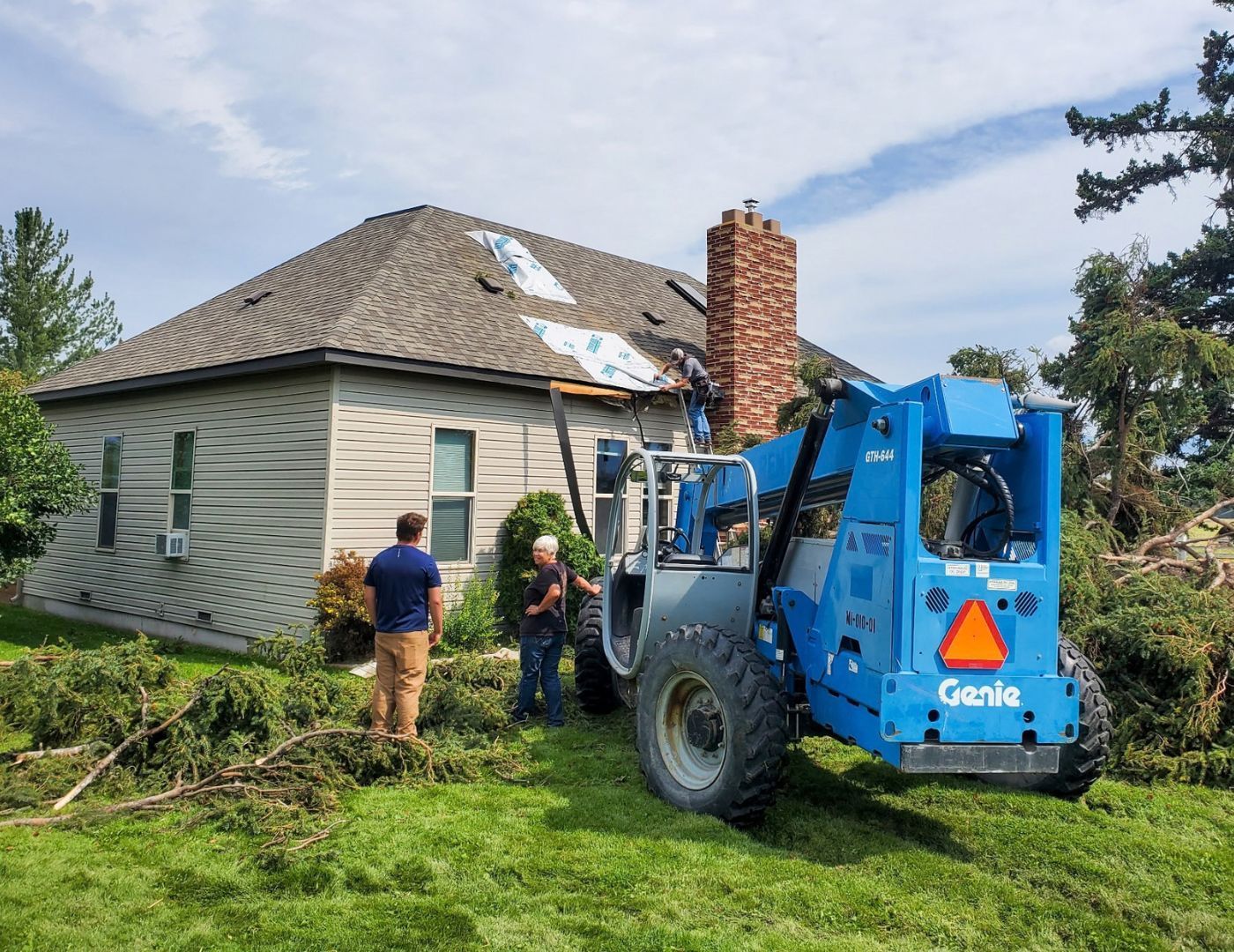
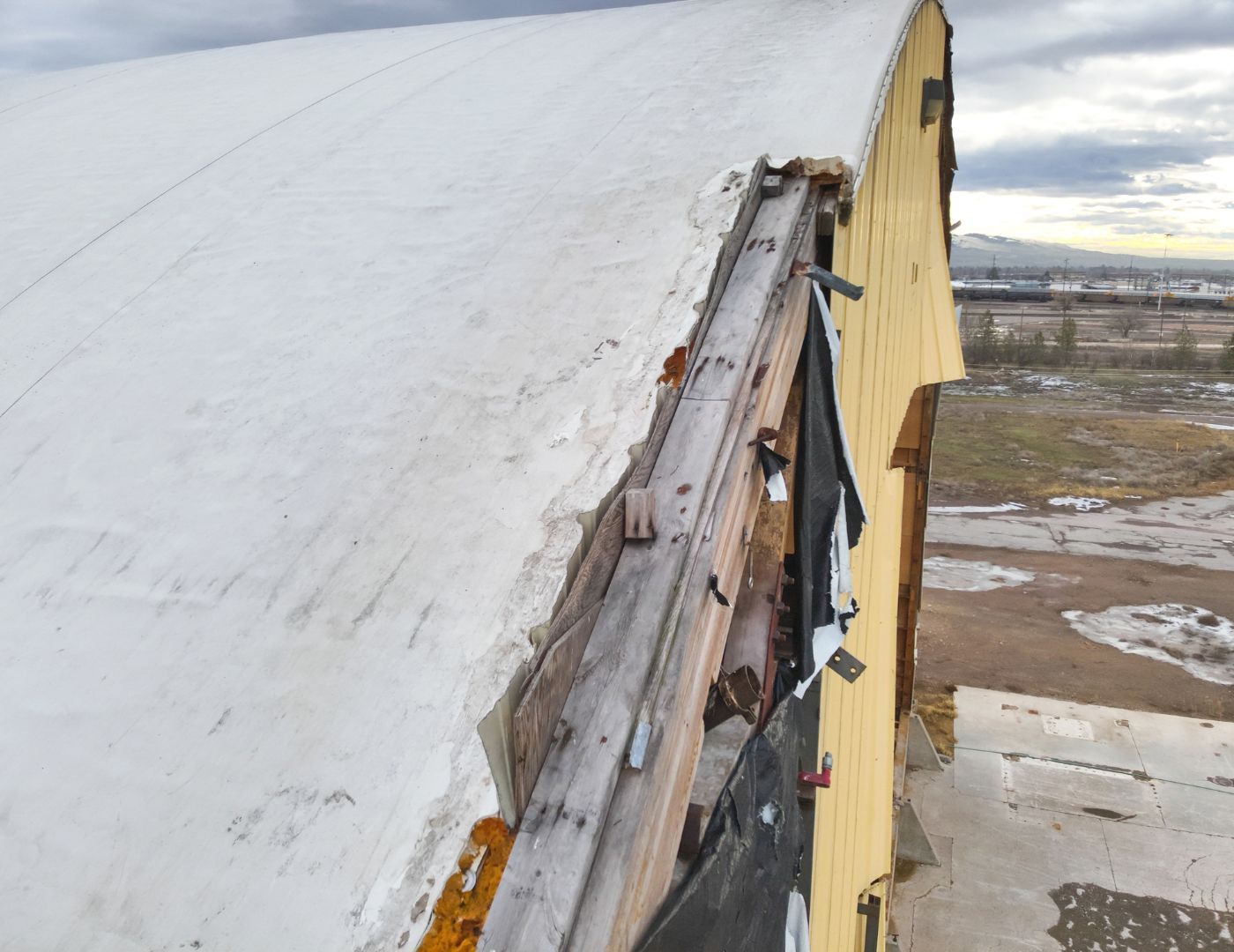
After wind, hail, falling debris, snow, or another event, Schrock Roofing can inspect accessible roof areas, photograph observed conditions, measure the roof, recommend temporary protection, and prepare a roofing proposal.
Your insurer determines whether the reported loss is covered and what it will pay under the policy. You decide whether to file a claim and which roofing contract to approve. Keeping those decisions separate prevents a contractor estimate from being mistaken for a coverage promise.
Choose the Stage Closest to Yours
The next move changes depending on whether the property is exposed, the inspection has not happened, the documents disagree, or work has been approved.
Address active water entry, openings, falling material, electrical exposure, and interior protection. Document the conditions and emergency work when it is safe to do so, and keep receipts.
Gather the event date, weather information, ground-level and interior photos, roof age, prior repairs, maintenance history, policy information, claim number, and adjuster contact details.
Review roof areas, measurements, materials, flashing details, ventilation, code-related work, access, disposal, quantities, and related damage. Different totals usually need a line-by-line explanation.
Understand the roofing contract, deductible responsibility, optional upgrades, lender requirements, payment milestones, approved changes, depreciation, completion documents, and warranties.
Keep the Responsibilities Straight
Reports the event, provides accurate information, protects the property, chooses whether to file, selects the contractor, and approves contracts and changes.
Inspects accessible roof conditions, provides roofing documentation and scope, performs contracted work, and records changes and completion.
Applies the policy to the reported loss and decides coverage, valuation, depreciation, payment, and requests for additional evidence.
A lender may control insurance funds. Licensed public adjusters, attorneys, engineers, or other advisers address matters outside the contractor’s role.
A Practical Order of Operations
The exact insurance process depends on the policy and carrier. The roofing work still needs a defined, approved scope.
Protect people, interiors, equipment, and openings without taking unsafe roof-access risks.
Keep dates, photos, weather information, affected areas, emergency invoices, and prior roof records.
Contact the insurer, meet reporting deadlines, and provide requested access and documents.
Measure and document the roof, materials, damage, drainage, flashings, penetrations, and related work.
Identify specific quantity, material, detail, code, access, or cost differences through the proper channel.
Keep the signed contract, changes, invoices, completion photos, warranties, payments, and lender documents.
Build One Complete Property File
Policy, claim number, event timeline, photos, inspection material, insurer correspondence, roofing proposal, contract, lender instructions, and deductible information.
Emergency invoices, authorized changes, concealed-condition photos, material selections, delivery records, progress photos, and payment documentation.
Final invoice, completion photos, warranties, product information, registrations, paid receipts, lender releases, and insurer correspondence.
Mark the exact roof area, quantity, material, detail, allowance, or related work that differs. A specific comparison is more useful than arguing over one total.
Direct Answers Without Claim Promises
No. Coverage depends on the policy, cause, timing, exclusions, maintenance, deductible, evidence, and the insurer’s decision.
No. We can inspect and document roof conditions and define roofing work. The insurer decides coverage under the policy.
Do not delay reasonable steps needed to protect people or prevent additional damage. Document conditions and temporary work, keep receipts, and follow insurer instructions when practical.
When safe, photograph visible exterior conditions from the ground, debris, interior water, affected rooms, damaged contents, and any temporary protection. Record dates and locations.
A roofing proposal describes the contractor’s offered work and price. An insurer estimate supports the carrier’s claim evaluation. The documents may overlap, but they are not the same agreement.
It is additional information submitted for work or cost not included in an initial insurance estimate. The insurer decides whether to accept it.
The policy and applicable law control deductible responsibility. Do not rely on promises to hide or waive an amount you are required to pay.
Your rights and obligations depend on the policy, contract, lender requirements, and applicable law. Review those documents and select a contractor based on qualifications and the proposed scope.
Compare roof areas, measurements, materials, code details, flashing, ventilation, disposal, access, and related work line by line. Send specific documentation through the carrier’s stated process.
Continue With the Right Service
Get the Roof Facts First
Tell us what happened, when it happened, what you can see safely, and whether water is entering the building. We will route the request based on the property and roof concern.