Deck and Attachment
The deck type, condition, pullout resistance, corrosion, deflection, and existing layers affect what can be safely attached and whether damaged areas need repair.
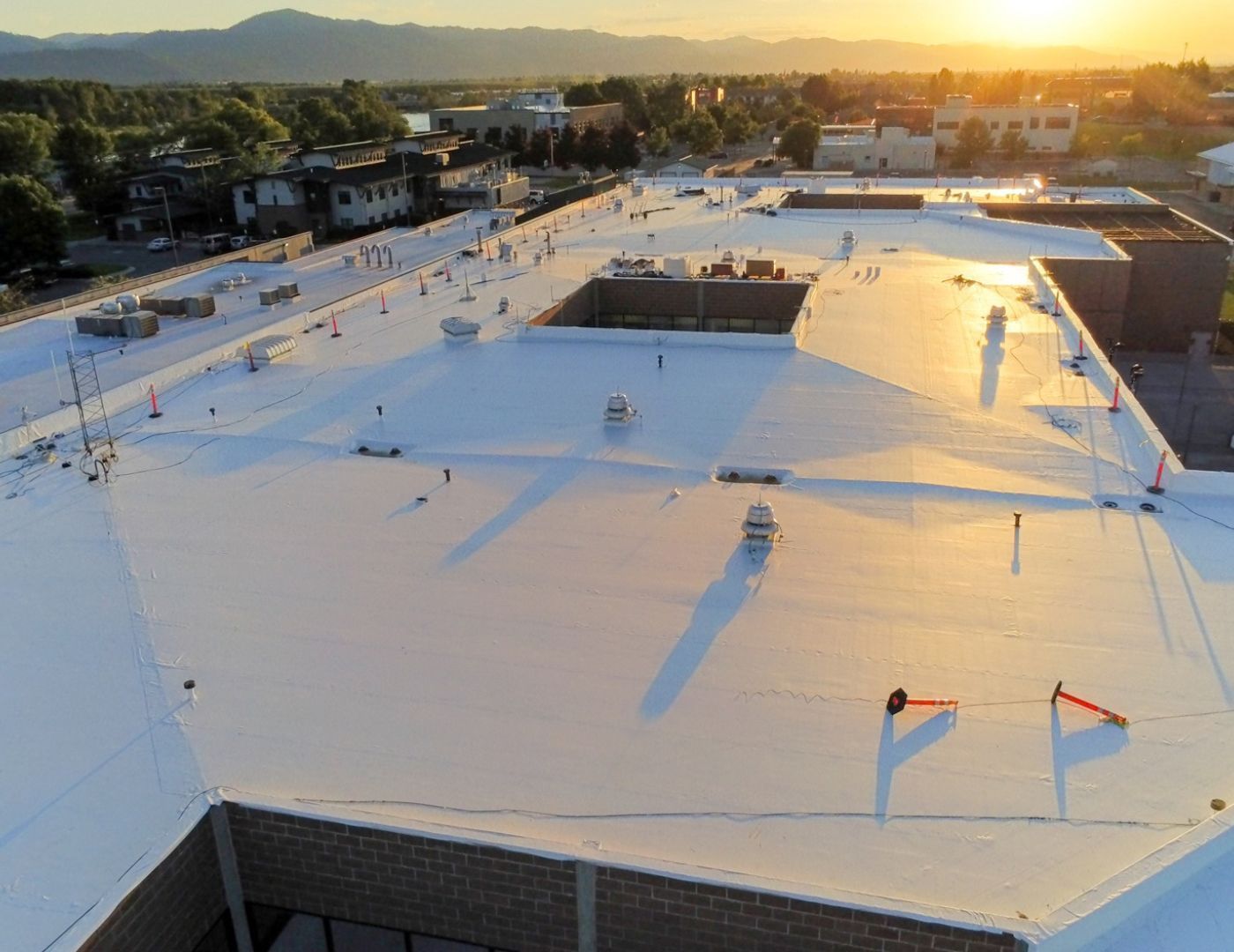
We start with the roof you have and the building beneath it. We evaluate moisture, drainage, rooftop equipment, building use, Montana weather exposure, and how long you plan to own the property before recommending repair, restoration, recover, or replacement.
Already know what type of roof you have? Choose it below to learn what we inspect and where problems commonly develop. Planning a replacement or new roof? We’ll look at your building, explain the options, and help you determine which roofing system makes the most sense.
Start With the Existing Roof
Calling a roof TPO, PVC, EPDM, modified bitumen, or metal only names its surface. Performance depends on the deck, insulation, cover board, attachment, membrane or panels, flashings, penetrations, edges, drainage, traffic, and the quality of the work connecting every part.
We begin by identifying what is already on the building and what condition it is in. We look for wet insulation, open seams, failed flashings, damaged panels, loose fasteners, poor drainage, movement, previous repairs, and details that do not match the surrounding roof. We also learn how the building is used and what cannot be disrupted.
That evidence tells us whether the current system can be repaired, maintained, restored, or recovered—or whether removal and replacement is the responsible path.
Commercial Roof System Guide
Choose a system for a plain-language overview. This is a starting point, not a product ranking. The building, existing assembly, moisture, drainage, exposure, details, and ownership plan still decide what fits.
TPO is a heat-welded thermoplastic membrane commonly used on low-slope commercial roofs. A complete TPO scope must address membrane thickness, attachment, insulation, cover board, seams, flashings, perimeters, drainage, traffic, and rooftop equipment.
PVC is another heat-welded thermoplastic membrane. It is often considered where grease, chemicals, fire performance, or heavy rooftop use affects the specification. Compatibility and the full assembly still matter more than the material name alone.
EPDM is a flexible synthetic-rubber membrane installed in adhered, mechanically attached, or ballasted assemblies. Seam condition, flashing materials, shrinkage, movement, insulation, drainage, and repair history are central to the assessment.
These asphalt-based systems use layered waterproofing, reinforcement, and protective surfacing. We look closely at laps, flashings, splits, blisters, surfacing loss, drainage, trapped moisture, and the condition of earlier repairs.
Standing-seam systems use concealed attachment that allows controlled panel movement. Panel profile, clips, metal type, underlayment, insulation, ventilation, snow movement, penetrations, and transitions all belong in the design.
Exposed-fastener roofs rely on many fasteners through the panels. Washer condition, fastener movement, panel laps, sealants, corrosion, slope, penetrations, and routine maintenance determine whether repair or a larger scope makes sense.
Restoration is more than rolling coating across a roof. A proper scope can include moisture investigation, repairs, cleaning, adhesion testing, reinforced seams and penetrations, field coating, thickness checks, documentation, and planned maintenance.
Many commercial buildings combine low-slope membrane, metal, shingles, or other materials. Each area needs the right system, but the transitions between them often decide whether the complete roof manages water, snow, ventilation, and movement correctly.
What Makes the System Work
A good membrane or panel cannot correct a weak deck, wet insulation, bad drainage, incompatible materials, or failed details. These are the parts we connect before recommending a scope.
The deck type, condition, pullout resistance, corrosion, deflection, and existing layers affect what can be safely attached and whether damaged areas need repair.
Insulation affects energy performance and slope. Cover board can improve durability, puncture resistance, and the surface supporting the membrane.
Wet materials, interior humidity, air leakage, condensation, and vapor movement can change the scope before the exterior roof is selected.
Roof slope, drains, scuppers, gutters, overflow paths, snow loading, drifting, ice, and freeze-thaw exposure all affect long-term performance.
Edges, curbs, walls, pipes, vents, hatches, skylights, and rooftop equipment create most of the detail work and many of the failure points.
Service routes, mechanical work, grease, chemicals, dropped tools, new penetrations, and uncontrolled roof access can shorten the life of the assembly.
Choose the Scope From Evidence
The responsible choice protects the building without forcing a larger project than the roof needs—or pretending a short-term fix will solve an assembly-wide failure.
Repair fits when the failure is isolated, surrounding materials remain serviceable, moisture is limited, and compatible work can restore the detail.
Restoration can fit a qualified roof after wet areas and defects are addressed, the surface is prepared, and the full system is documented.
A recover adds a new roof over an existing assembly only when the deck, layers, moisture condition, weight, attachment, and code path support it.
Removal and replacement make sense when moisture, deterioration, repeated failure, incompatible layers, or deck conditions take smaller options off the table.
How We Build the Recommendation
We do not start with a favorite product. We work from the building, the roof, and the decision ownership needs to make.
We identify occupancy, operations, access, rooftop use, sensitive areas, schedule, and ownership goals.
We document the deck, layers, materials, attachment, drainage, penetrations, and previous work.
We trace leaks, inspect details, look for trapped moisture, and separate isolated defects from broad deterioration.
We explain the viable repair, restoration, recover, or replacement paths and what each one requires.
We put the assembly, details, work limits, access, protection, documentation, and next responsibilities in writing.
Built Around Western Montana Conditions
Commercial roofs in Missoula, Victor, the Bitterroot Valley, and nearby Western Montana communities face snow, ice, freeze-thaw cycles, wind, temperature swings, drainage problems, and short weather windows. Large open roofs, taller perimeters, drifting zones, rooftop equipment, and mixed slopes can increase those demands.
Building use changes the decision too. A warehouse, restaurant, apartment building, church, school, office, clinic, municipal facility, and agricultural property each create different access, protection, scheduling, odor, noise, traffic, and documentation requirements.
We account for those conditions before selecting materials or promising a timeline. The goal is a roof system that fits the building now and gives ownership a clear plan for inspection, maintenance, repairs, and eventual replacement.
Comparable Mixed-System Work
The historic church combined pitched and flat roof areas, prior flat-roof leaks, and ice-dam leakage at shingle eaves. Schrock Roofing coordinated both systems while the congregation remained active.
View Featured ProjectsRelated Commercial Roofing Services
Already know whether you need an inspection, repair, restoration, maintenance plan, or replacement? Start there.
Straight Answers About Commercial Roof Systems
We evaluate and work with TPO, PVC, EPDM, modified bitumen, built-up roofing, standing-seam metal, exposed-fastener metal, coated and restored roofs, and mixed-slope commercial assemblies. The first step is confirming the exact system and layers on your building.
There is no honest one-system answer. The best fit depends on the deck, slope, drainage, moisture, insulation, wind exposure, snow behavior, rooftop traffic, building use, maintenance plan, budget, and how long ownership expects to keep the property.
TPO and PVC are thermoplastic membranes with heat-welded seams. EPDM is a synthetic-rubber membrane with different seam and flashing methods. Their performance also depends on thickness, reinforcement, attachment, insulation, cover board, details, drainage, traffic, and installation quality.
Yes. Many commercial buildings combine low-slope membranes with metal, shingles, or other pitched materials. The transitions, drainage paths, wall details, snow movement, ventilation, and construction sequence must connect those roof areas correctly.
Sometimes. The existing roof must qualify. We look at trapped moisture, adhesion, surface condition, drainage, details, previous coatings, compatibility, and the repairs required before recommending restoration. Coating a failed roof does not fix the failure underneath.
A recover can be an option when the deck, existing layers, moisture condition, attachment, added weight, drainage, details, and applicable requirements support it. We do not recommend covering wet or unstable materials just to avoid tear-off.
Records can help, but an onsite assessment is the reliable starting point. We identify the exposed material, seams, fastening or adhesion method, flashings, layers, insulation, deck, repairs, coatings, and transitions. Small test cuts or moisture investigation may be needed to confirm hidden conditions.
Service life varies widely. Material type matters, but installation, membrane or metal specification, drainage, exposure, traffic, maintenance, repairs, rooftop work, and the condition of the supporting assembly often matter just as much. We would rather assess the roof you have than promise a generic number.
Schrock Roofing Inc. • Missoula & Victor, Montana
Tell us what the roof is doing, what system you believe is installed, and what decision the property needs to make. We’ll assess the assembly and build the next scope from what we find.