Snow Removal & Ice Dam Services
Address heavy roof snow, ice buildup, blocked drainage, and active winter leaks with a service plan based on the roofing system, access, and conditions at the property.

Active interior water, falling ice, unusual roof movement, or heavy drifting? Keep people clear of the affected area and call. Service availability depends on weather, safe access, and roof conditions.
Start With the Hazard, Not a Generic Removal Plan
Winter Roof Work Must Protect the People Below and the Roof Underneath
Deep snow, uneven drifting, ice dams, blocked drainage, and sliding snow can create very different risks. The right response depends on the roof system, buildup, weather, access, and what the water or ice is doing.
Schrock Roofing evaluates the visible condition and determines whether the practical next step is controlled snow reduction, ice-dam service, drainage access, roof assessment, repair planning, monitoring, or escalation to emergency or structural help. Service remains subject to safe access, weather, roof condition, and crew availability.
What Are You Seeing?
Match the Response to the Winter Roof Condition
Remove the blockage without attacking the roofing
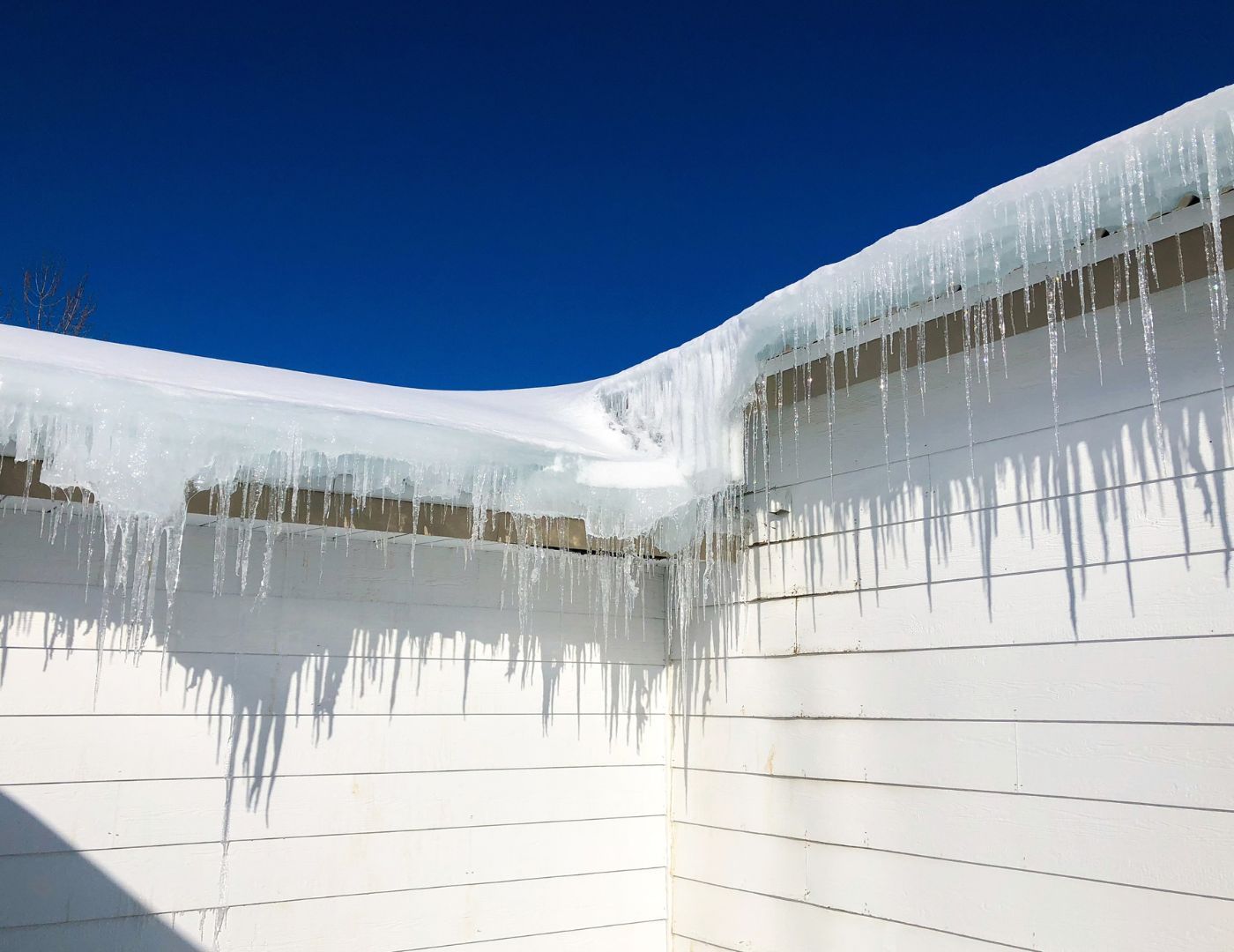
An ice ridge at an eave can hold meltwater behind it. The work plan should consider the ice volume, active leakage, roof material, gutter condition, safe access, and whether steam or another controlled method is appropriate. Chopping with axes, hammers, or sharp tools can damage shingles, panels, flashings, and gutters.
Depth alone does not tell the whole story
Wet snow can weigh substantially more than dry powder. Roof design, snow density, layering, drifting, span, known structural concerns, and interior warning signs all affect urgency. Removal should be balanced so the roof is not left with a dangerous uneven load.
Concentrated loads deserve closer attention
Wind can pile snow behind roof transitions, dormers, parapets, valleys, and taller walls. A localized drift may matter even when the rest of the roof looks manageable. Access and unloading sequence should be planned around that concentration.
Water entry can continue after the visible ice is reduced
Ice-dam removal can reopen a meltwater path, but it does not automatically dry insulation, repair damaged roofing, correct air leakage, or eliminate every leak source. Active water entry may require interior protection, roof assessment, and follow-up repairs.
Drainage components can be fragile when frozen
Gutters, downspouts, valleys, scuppers, drains, and low-slope transitions may be blocked by ice or buried under snow. The plan must avoid tearing off components or forcing meltwater toward another vulnerable area.
Control the area below before material releases
Snow and ice can slide suddenly from metal and steep-slope roofs. Keep people, pets, vehicles, and equipment away from the fall zone. Snow-retention needs and any damage at the release path can be reviewed after the immediate hazard is addressed.
Four Parts of a Responsible Work Plan
The Method Changes With the Roof and the Risk
Safety and Access
Roof height, pitch, ice, wind, temperature, ground conditions, utilities, falling-material zones, and secure access.
Roof Assembly
Asphalt shingles, standing-seam or exposed-fastener metal, low-slope areas, flashings, gutters, penetrations, and snow-retention components.
Removal Sequence
Where unloading begins, how much material is reduced, how balance is maintained, and where snow, ice, and meltwater can move safely.
Conditions Afterward
Visible roof damage, drainage function, leak evidence, displaced components, remaining hazards, and factors that may cause the problem to return.
Service, Monitoring, or Escalation
Not Every Snowy Roof Needs the Same Next Step
Monitor the Condition
Monitoring may be reasonable when accumulation remains ordinary for the roof, drainage is functioning, no distress or leakage is visible, and conditions can be watched safely from the ground.
Plan Winter Roof Service
Controlled service may make sense when ice blocks drainage, wet or deep snow is accumulating, drifting is concentrated, material threatens areas below, or water appears during thawing.
Escalate the Concern
Structural warning signs, electrical exposure, damaged gas or utility equipment, collapse risk, or unsafe site conditions may require emergency, structural, or utility professionals before roofing work proceeds.
After the Immediate Buildup Is Reduced
Look for Damage and the Reason the Problem Returned
Snow or ice removal addresses the current buildup. It does not automatically correct damaged roofing, poor drainage, missing snow retention, attic heat loss, air leakage, ventilation problems, or insulation deficiencies.
- Document visible damage to roofing, flashings, gutters, and snow-retention components
- Check accessible leak areas and moisture paths when included in the visit
- Identify drainage points that remain blocked, damaged, or poorly configured
- Separate immediate roof repairs from insulation, ventilation, structural, or interior work
- Explain what can be monitored and what should be corrected before the next freeze-thaw cycle
From First Call to Documented Next Step
The Winter Roof Service Process
Describe
Explain the buildup, leak, falling hazard, location, timing, and any structural warning signs.
Screen
Separate routine service from an emergency, utility concern, or possible structural condition.
Assess
Review safe access, weather, roof material, accumulation, drainage, and the area below.
Plan
Choose the equipment, removal sequence, work limits, and ground controls for the property.
Reduce
Remove or reduce snow and ice in controlled sections without promising unsafe access.
Document
Record visible damage, remaining limitations, drainage concerns, and recommended follow-up.
Direct Answers
Snow Removal and Ice Dam FAQs
When should snow be removed from a roof?
There is no single depth that is correct for every roof. Snow density, drifting, layering, roof design, span, known structural condition, drainage, and warning signs matter. Deep wet snow, concentrated drifts, active leaks, blocked drainage, or signs of distress deserve prompt professional review.
What are warning signs of a possible roof-load problem?
Sagging, new cracks, unusual movement, sticking doors, popping sounds, displaced framing, or ceiling deformation can indicate a serious concern. Leave an unsafe area and contact emergency or structural professionals; do not wait on routine roof service.
Can I shovel or chip ice from my own roof?
Roof climbing in snow and ice creates fall risk, and sharp tools can damage roofing, flashings, gutters, and utilities. Keep people away from fall zones and use a qualified service provider when removal is needed. Ground-based tools also require care around overhead lines and falling material.
How are ice dams removed?
The appropriate method depends on the roof material, ice thickness, gutter and flashing conditions, access, temperature, active leakage, and the area below. Steam or another controlled method may be used when suitable. Schrock should define the method after reviewing the actual condition.
Will ice-dam removal stop the leak permanently?
Not necessarily. Removing blocking ice may restore drainage and reduce backed-up meltwater, but damaged roofing, wet insulation, air leakage, heat loss, ventilation issues, or another leak source may still require assessment and correction.
Can snow removal damage shingles or metal roofing?
Yes, careless tools, foot traffic, impact, scraping, unbalanced unloading, or contact with concealed roof features can cause damage. The plan should account for the roof material, fasteners, seams, flashings, penetrations, gutters, and snow-retention system.
Do metal roofs ever need snow or ice service?
They can. Metal roofs may shed snow quickly, hold concentrated drifts, develop ice at eaves or valleys, or create falling hazards. Panel type, fasteners, seams, penetrations, roof geometry, drainage, and snow retention all affect the correct response.
Where does Schrock provide winter roof service?
Schrock's primary residential service area includes Missoula, Victor, and the Bitterroot Valley. Nearby Western Montana requests are reviewed based on location, access, roof condition, urgency, weather, equipment needs, and scheduling.
Missoula, Victor & the Bitterroot Valley
Address the Winter Hazard Without Sacrificing the Roof
Tell Schrock what is accumulating, where ice or water is moving, and whether you see leakage or structural warning signs. The next step will be based on safety, access, weather, roof type, and the actual condition.
Request Winter Roof Service