
How Much Snow Can Your Missoula Roof Hold? Snow Load Basics
Snow depth is easy to measure, but the weight sitting on your roof is what decides whether it needs clearing.
Request an estimate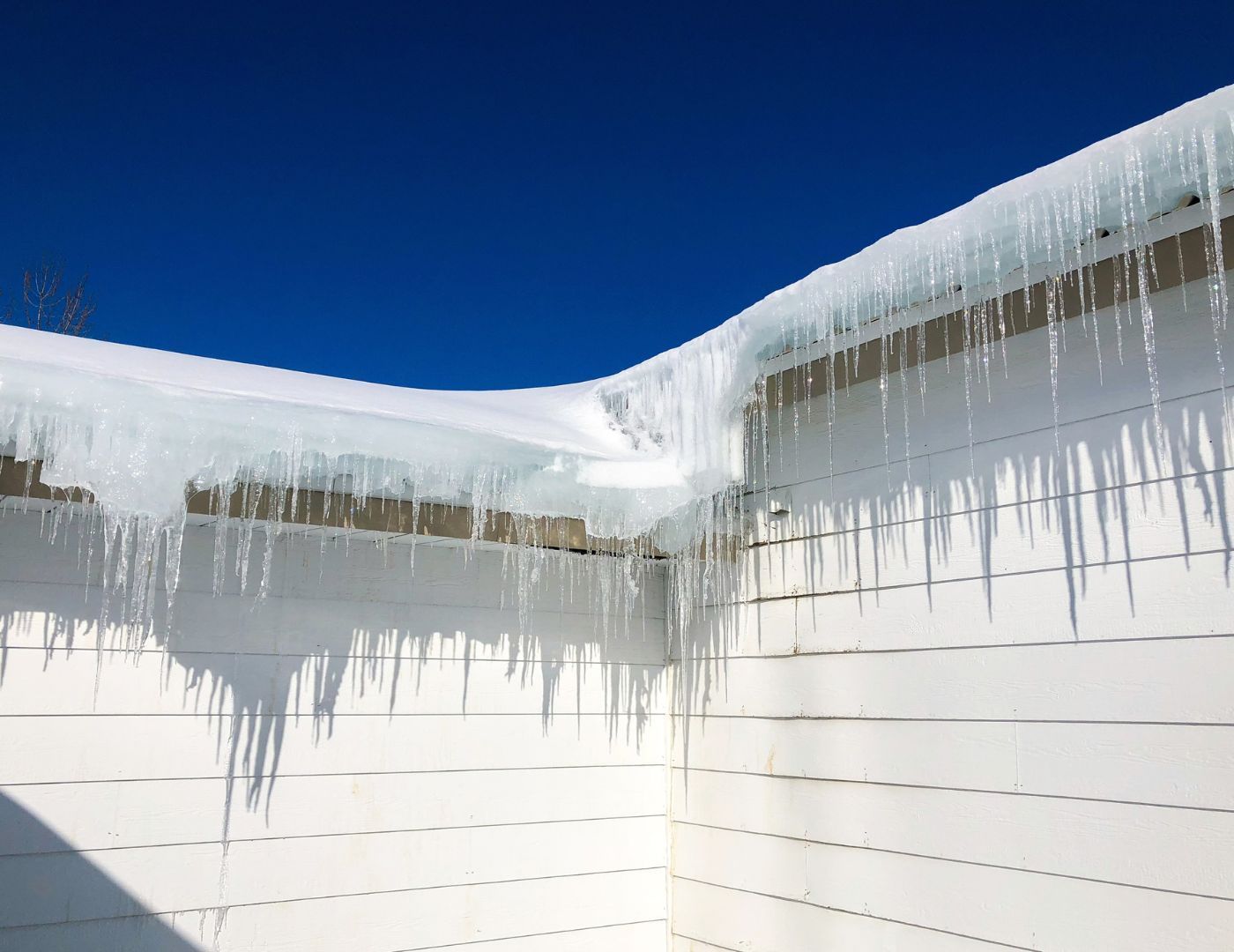
There's no fixed number of inches. A roof's limit depends on how much the snow weighs, not how deep it looks, and on the age, pitch and framing of that particular roof. Two feet of dry January powder can weigh less than eight inches of wet March snow sitting on a layer of ice.
Most Missoula homes built to modern codes are framed to carry a heavy winter. Trouble usually starts when snow piles up storm after storm without melting, when rain soaks into the snowpack, or when an older roof has a weakness nobody has found yet. So the better question isn't how much your roof can hold in theory. It's what your roof is showing you right now.
In this guide
Why Snow Weight Matters More Than Depth
Snow load is the weight of snow and ice pressing down on a roof, usually measured in pounds per square foot. Depth alone tells you very little, because the water content of snow changes so much from one storm to the next.
Fresh, cold powder is mostly air. As it sits, it settles and packs down, so the same pile gets heavier per inch even when no new snow falls. Wet spring snow, or rain landing on an existing snowpack, adds weight fast, and ice is heavier still. A roof that handled a December storm without trouble can be carrying a lot more weight by late February with no more snow showing on it.
Building codes assign a design snow load to each area, which is the weight a roof's structure is meant to carry. Your local building department can tell you the figure used where you live, and the original plans or a structural engineer can tell you what your own roof was built for.
Weight also doesn't spread evenly. Wind drifts snow onto the low side of a ridge, into valleys, and against chimneys and walls where an upper roof meets a lower one. A garage roof below a two-story wall can collect the snow that slides off the house plus a drift on top of it.
What Makes One Roof Stronger Than Another?
A roof's real limit comes from its framing and its condition, and two houses on the same street can be very different.
- Age and framing. Older homes may have rafters sized or spaced differently from current practice. Additions and porch roofs are often the weakest part of the house.
- Pitch. Steeper roofs shed snow more readily. Low-slope sections and flat commercial roofs hold onto it.
- Past damage. Rot from an old leak, a cracked rafter, or a sag that was never fixed all cut into the margin.
- Roofing material. Metal sheds snow faster than asphalt shingles, though a sudden slide can tear off gutters and bury a walkway.
- Attic heat. A warm attic melts snow from below. That water refreezes at the cold eaves as an ice dam, which puts dense weight right at the roof's edge.
None of these mean a roof is going to fail. They tell you where to look first when a big winter stacks up.
Warning Signs a Roof Is Carrying Too Much
The clearest sign of an overloaded roof is a change you can see or hear in the structure itself. Watch for these after a run of heavy storms:
- A ridge line or roof plane that looks swayed or dipped from the street
- New cracks in drywall or plaster, especially near the ceiling or above doors
- Upstairs doors that start sticking or won't latch
- Creaking, popping or cracking sounds from the attic
- Water stains or drips on ceilings away from the exterior walls
- On low-slope and commercial roofs, a deck that bows or water pooling where it never pooled before
If you see sagging along with new sounds or cracks, keep people out of the rooms under that part of the roof and have a professional look at it before anyone tries to clear it. Don't go up on a snow-covered roof yourself. Snow hides skylights, edges and ice, and your weight plus a shovel lands on the same structure you're worried about.
Is It Snow Load or an Ice Dam?
An ice dam is a ridge of ice along the eaves that traps meltwater behind it, so the water backs up under shingles and leaks into the house. It's a drainage problem, while snow overload is a structural one, and they leave different clues.
Ice dam leaks tend to show up along exterior walls and near the eaves, often on a sunny afternoon or during a warm spell, with thick icicles hanging outside. Overload signs tend to show up mid-roof: sagging, cracks, sticking doors and noise. Both can happen to the same house in the same week, since an ice dam is extra weight at the edge.
From the ground, a long-handled roof rake can pull the bottom few feet of snow off a single-story eave, which helps with both problems. Leave the rest of the roof, and anything on a second story, to a crew with the right gear. If a winter leak has already stained a ceiling, plan on a roof repair visit once the weather allows, because wet decking and insulation keep causing trouble long after the snow is gone.
How Schrock Roofing Approaches a Heavy Snow Year
Schrock Roofing offers snow removal and ice dam services, so when the warning signs above show up, the people clearing the roof also understand how it was built. Snow removal done right usually leaves a thin layer on the surface instead of scraping down to brittle shingles.
The company also does roof inspections and assessments, which help when you can't tell whether a dip in the roof line is new or has been there for years. A good inspection looks at framing, old leak damage and attic ventilation, the things that decide how much margin a roof really has.
Schrock Roofing works by what it calls Montana Values, and honest communication is the part that matters most here. Sometimes the right answer is that the roof is fine and the snow can stay. You should hear that as plainly as you'd hear that it needs work.
Snow and Roofs in the Missoula Valley
Missoula sits on a valley floor and often gets less snow than the mountains around it, but the snow it does get tends to stay put. During winter inversions, cold air settles into the valley and can hold there for days, so a roof's snowpack may go weeks with little melting. All that time it packs down and gets heavier per inch.
Freeze-thaw swings make it worse. Sun melts snow on south-facing slopes and over warm attics, and the water freezes again overnight at the eaves. Late-winter and spring storms often drop wetter, heavier snow on top of what's already there, and a rain-on-snow day can add a lot of weight in a few hours.
The housing mix matters too. Older homes close to downtown, many with porch roofs and add-on rooms, sit alongside newer subdivisions with long roof spans and big valleys where drifts collect. After several hard winters around Missoula, a roof's weak points usually show up in the attic first, as stained sheathing, cracked rafters or daylight where there shouldn't be any.
Not Sure What Your Roof Is Carrying?
If you're seeing a sag, new ceiling cracks or a leak this winter, call (406) 961-2990 or send a request through the contact page and describe what you're noticing. For homeowners in Missoula looking for someone who can clear snow safely and check the structure underneath it, Schrock Roofing does both.
Snow Load Questions We Hear
Is it safe to shovel snow off my own roof?
For most homeowners, no. Snow-covered roofs are slick, edges and skylights are hard to see, and a fall from a roof can end in a serious injury. Shoveling can also gouge shingles and snap brittle edges in the cold. A roof rake used from the ground on a single-story eave is the safer homeowner option. Anything higher or steeper is better left to a crew with fall protection.
Does a metal roof hold more snow than an asphalt shingle roof?
Not on its own. How much weight a roof can carry depends mostly on the framing underneath, not the surface material. Metal does shed snow more readily because it's smooth, so it often carries less snow over a winter. The tradeoff is that sliding snow can come off all at once, tearing gutters, damaging lower roofs and burying walkways, so snow guards and layout matter.
How can I find out my roof's design snow load?
Start with your local building department, which can tell you the design snow load used for permits in your area. If you have the original building plans, the framing details may list it. For an older home, a home with additions, or a building you're thinking of buying, a structural engineer can work out what the roof was actually built to carry.
Do I need to clear my roof after every snowfall?
Usually not. A sound roof on a well-built home is meant to carry a normal winter's snow without help. Clearing makes sense when snow keeps piling up without melting, when heavy wet snow or rain lands on an existing snowpack, when ice dams are forming, or when you notice warning signs like sagging, new cracks or doors that suddenly stick.
Can heavy snow damage a roof even if nothing sags?
Yes. Ice dams can push water under shingles and into the attic without any visible sag. Sliding snow can rip off gutters, bend vent pipes and knock loose chimney caps. Packed snow sitting for weeks can also hold moisture against older shingles and flashing. These problems often stay hidden until spring, when stains or drips finally show up indoors.
Will a roof rake damage my shingles?
It can if it's used roughly. Pull gently and leave an inch or two of snow on the surface instead of scraping down to the shingles, which are brittle in cold weather. Rakes with small rollers or a plastic blade are easier on the roof. Watch for overhead power lines, and never use a metal rake anywhere near the service line running to your house.
Questions About This Winter's Snow?
Tell us what you're seeing on the roof or inside the house, and we'll help you sort out whether it needs clearing, an inspection, or nothing at all. Call (406) 961-2990 or contact us online.
Request an estimate