
Roof Surface and Seams
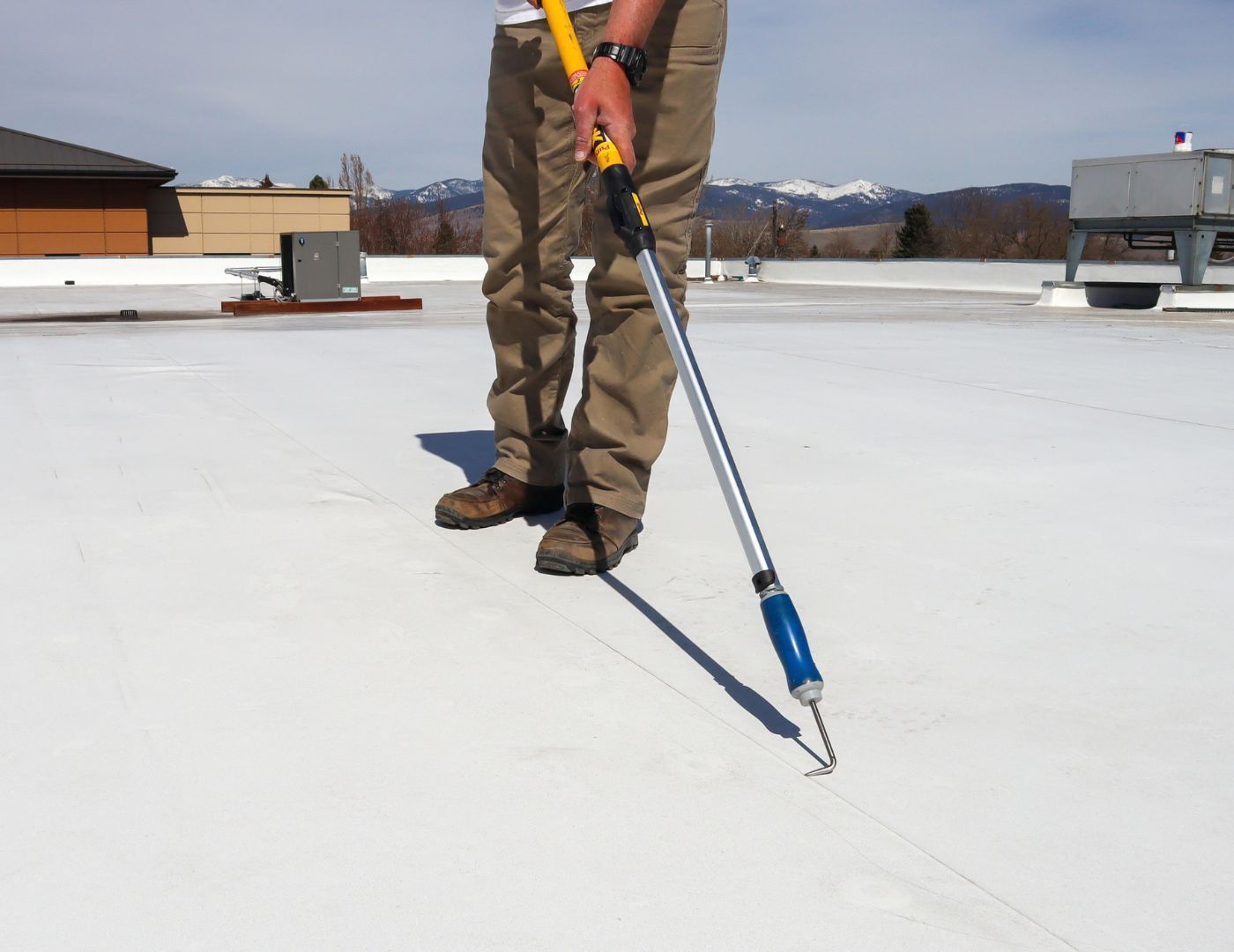
We look for visible wear, open laps, punctures, splits, blisters, exposed reinforcement, loose fasteners, panel movement, coating failure, and earlier repairs.
We inspect commercial roofs to help building owners and facility teams understand the roof’s current condition, trace active leaks, document visible problems, and plan repairs or future roofing work with better information.
Active leak, annual review, recent storm, property purchase, warranty concern, or capital planning? We’ll define the inspection around the condition you need to understand and the decision you need to make.
Inspect for the Decision in Front of You
A useful inspection starts with the reason you called. An active leak requires a different investigation than an annual condition review, a property purchase, a storm assessment, a warranty concern, or a roof that needs to be included in next year’s budget.
We begin with the roof system, building use, known problems, repair history, access, drainage, rooftop equipment, and the consequences of water entering the building. Then we define what can be evaluated visually, what may require additional diagnostics, and what documentation you need at the end.
Choose the Reason for the Inspection
Select the situation that best matches your building. We can refine the scope once we understand the roof, access, and information already available.
A ceiling stain does not necessarily sit below the roof failure. We compare interior evidence with seams, flashings, penetrations, drains, equipment, transitions, and earlier repairs to narrow the source and affected roof area.
A scheduled review documents what has changed, identifies preventative work, and creates a record that can be compared with the next visit.
We review vulnerable edges, seams, membranes, panels, flashings, drains, penetrations, debris impacts, and known interior concerns. We document roof conditions; the insurance carrier determines coverage.
A property assessment can identify visible conditions, current leaks, likely near-term repairs, documentation gaps, and roof areas that may require deeper investigation before closing.
We can inspect and document roof conditions, but the warranty controls inspection schedules, notice requirements, approved repairs, exclusions, and coverage. Manufacturer involvement may be required.
A planning assessment can divide the roof into urgent repairs, near-term maintenance, monitored conditions, and larger work that should be budgeted over the coming years.
What We Evaluate
The exact scope depends on the roof, building access, known concerns, weather, safety, and the level of documentation or testing requested.
We look for visible wear, open laps, punctures, splits, blisters, exposed reinforcement, loose fasteners, panel movement, coating failure, and earlier repairs.
We give focused attention to walls, curbs, pipes, skylights, expansion joints, equipment supports, transitions, edges, and termination points.
We review drains, scuppers, gutters, downspouts, debris, ponding, overflow routes, low areas, and locations affected by snow and ice.
Service paths, HVAC areas, walk pads, loose hardware, dropped tools, penetrations, and work by other trades can create damage unrelated to roof age.
When accessible and included, stains, deck conditions, insulation evidence, equipment, and leak history help us compare what is happening inside with the roof above.
We review available plans, warranties, repair history, patches, coated areas, replaced sections, and open recommendations that may affect the assessment.
From Findings to a Roof Decision
Not every condition requires replacement. The roof may need a targeted repair, additional testing, scheduled maintenance, restoration planning, or a replacement scope.
We recommend repair for isolated failures when the surrounding roof and assembly remain serviceable.
We recommend moisture testing, test cuts, thermal work, or other diagnostics when visual evidence cannot answer the question.
We plan preventative work or a compatible restoration when the existing assembly can support it.
We develop a replacement plan when moisture, recurring failure, attachment, drainage, age, or deck condition makes continued repair unreliable.
What You Receive
We identify the roof areas inspected, visible conditions, photographs when included, known limitations, and the priority of recommended work. We separate active concerns from preventative items and conditions you can monitor.
Not every assessment needs the same documentation. A service call, annual inspection, acquisition review, warranty inspection, storm assessment, and capital plan require different levels of reporting. We define your deliverable before the work begins.
Visual inspection also has limits. Hidden moisture, covered deck conditions, concealed insulation, attachment, and subsurface failures may require test cuts, moisture mapping, thermal imaging, manufacturer review, laboratory testing, engineering, or other separately approved work.
How the Assessment Works
We establish the decision, concern, deadline, roof areas, and documentation the inspection needs to support.
We gather available roof information, leak records, repairs, warranties, plans, and known building constraints.
We evaluate accessible roof areas, details, drainage, equipment, prior work, and relevant interior evidence.
We organize observed conditions, photographs when included, limitations, and priorities by roof area.
We explain what needs action, what may require further testing, and what can be monitored or budgeted.
Inspection Scope and Cost
The scope depends on what must be inspected and what the assessment needs to produce—not only the roof’s square footage.
Total area, multiple buildings, roof zones, elevation changes, mixed systems, and the number of details affect field time.
Height, ladders, lifts, secure areas, tenants, equipment, restricted hours, interior access, and safety requirements change the scope.
A leak investigation, annual review, storm assessment, purchase review, warranty visit, and capital plan do not require identical work.
Repeated leaks, numerous repairs, mixed roof ages, coatings, additions, and missing records may require more investigation.
Interior review, test cuts, moisture mapping, thermal drone work, laboratory testing, engineering, or manufacturer involvement may be separate services.
A short service record, detailed roof map, photo report, budget plan, transaction document, or warranty submission changes the work involved.
Commercial Roof Inspections in Western Montana
Snow, ice, freeze-thaw movement, wind, hail, summer heat, ultraviolet exposure, and short repair windows can change a commercial roof between visits. Weather can also limit what is safely visible or testable on the day of inspection. When conditions restrict the assessment, we document the limitation and explain what follow-up may be needed.
We serve commercial properties in Missoula, Victor, Hamilton, Ravalli County, Lolo, Florence, Frenchtown, the Bitterroot Valley, and nearby Western Montana communities. Call us with the address and what you need to know, and we’ll tell you what we can get to and when.
Inspection Findings Tied to a Decision
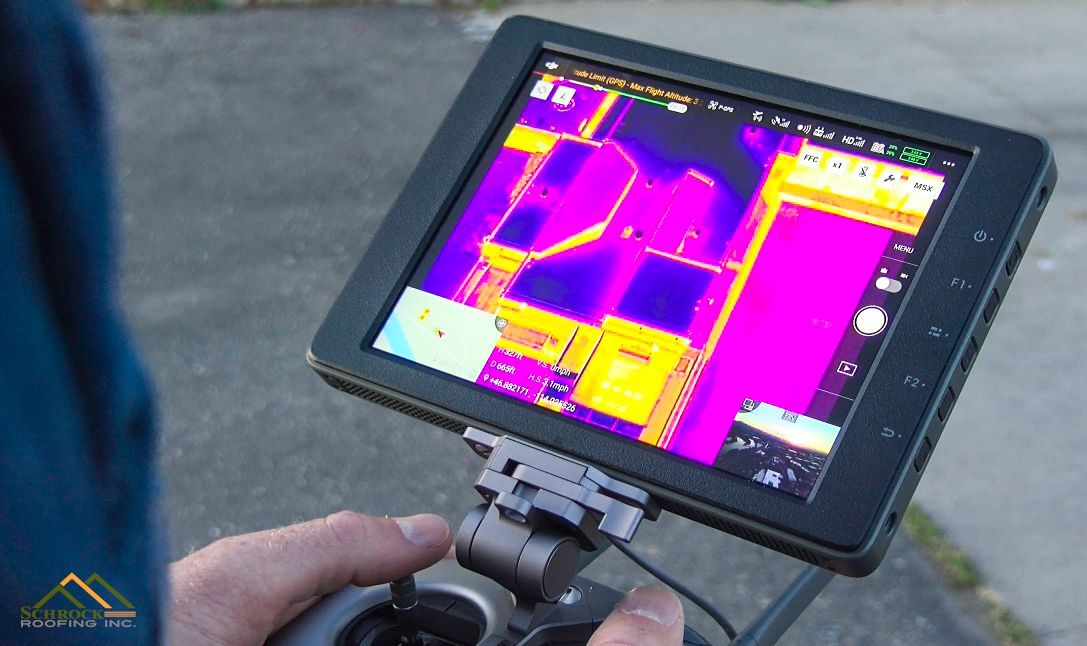
Infrared drone imaging identified saturated roof areas across the property. Those findings defined what had to be removed and repaired before the existing roofs could receive a reinforced restoration membrane.
View Featured ProjectsRelated Commercial Roofing Services
Straight Answers About Roof Assessments
We inspect the accessible roof surfaces, seams, flashings, penetrations, edges, drainage, equipment areas, previous repairs, and interior evidence included in your approved scope. Before we begin, we define the exact work, photographs, findings, and reporting you’ll receive.
Often, but not every leak can be confirmed visually in one visit. Water may travel through insulation, deck joints, walls, or structural members before appearing inside. We trace the likely path and recommend additional testing when the visible evidence is not enough.
Many roofs benefit from inspection once or twice a year and after severe weather or rooftop trade work. The right schedule depends on roof age, system, condition, building risk, warranty requirements, and repair history.
Not reliably. Staining, soft areas, blisters, or thermal patterns may indicate a concern, but confirming the location and extent of moisture can require test cuts, moisture scanning, thermal imaging under suitable conditions, or other approved diagnostics.
Yes. We document visible roof conditions, known concerns, likely near-term work, and areas that may need further investigation. We coordinate the scope with your transaction timeline, access, available records, and any other required professional reviews.
Our findings give you evidence for that decision. Isolated failures may support repair, while broad moisture, repeated failures, attachment problems, deck deterioration, drainage limitations, or an assembly near the end of its service life may justify restoration or replacement planning.
Your approved inspection scope defines the documentation you receive. Depending on the service, that may include photographs, roof-area notes, observed conditions, limitations, repair priorities, diagnostic recommendations, and a summary of next steps.
Yes. We inspect and document observable roof conditions after wind, hail, debris, snow, ice, or storm-related water entry. We do not determine insurance coverage; the carrier makes that decision under the policy.
Schrock Roofing Inc. • Missoula & Victor, Montana
Tell us what prompted the inspection, what type of roof you have, and what you know about its history. We’ll help define an assessment that fits the building and the decision in front of you.