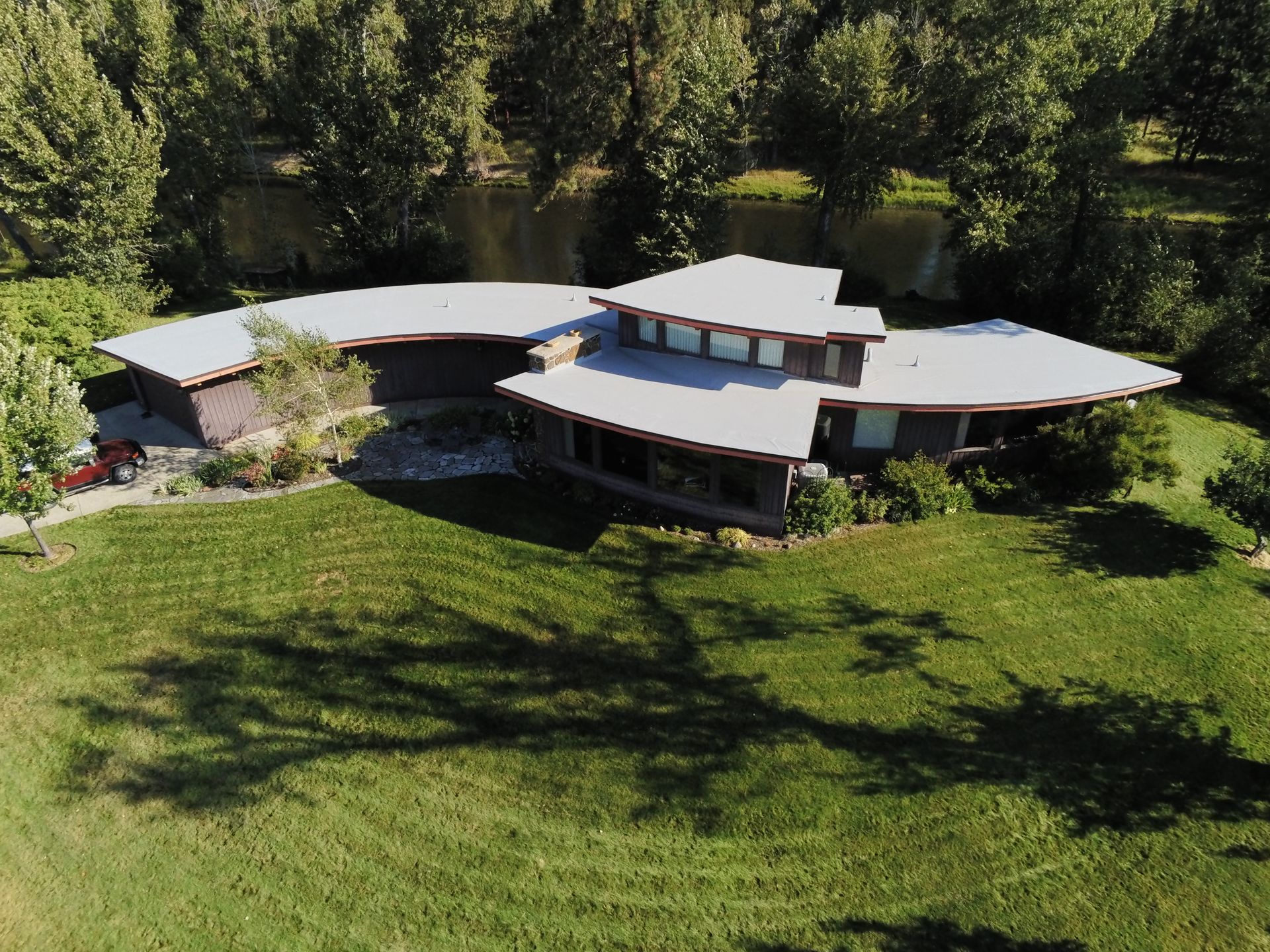

A Sound Roof Deck
The new roof needs a stable supporting surface. Existing damage can affect preparation work.
Replacing a roof is a major decision, especially when it has handled years of Montana snow and changing temperatures. Schrock Roofing helps Hamilton homeowners understand when replacement makes sense, what the work needs to cover, and how to plan a roof suited to the house.
If repairs keep adding up or the roof is showing widespread wear, begin with a conversation about its overall condition and your options.
Making the Larger Roofing Decision
A roof that looks worn from the driveway is not automatically ready to be replaced. On the other hand, ongoing leaks and failing materials in several areas can make another temporary fix a poor use of the household budget.
Schrock Roofing looks at the condition of the covering, roof details, underlying material where it can be evaluated, and the history of repairs. The shape of the roof and how it handles snow or runoff are also relevant to the work that may be needed.
Once the reason for replacement is understood, you can discuss materials, problem areas that should be corrected, and which parts of the project affect cost. That makes the decision more useful than shopping for a new roof by appearance alone.
Questions to Resolve Before Replacement
A replacement involves more than removing worn shingles. These common topics help homeowners understand the condition, choices, and details that can influence the project.
Broad surface wear, repeating failures, and deterioration on several slopes can point toward replacement. The useful question is whether the trouble is isolated or affects the roof as a whole.
Patching several leaks may not solve the larger issue when roofing materials are breaking down throughout the roof. A history of repeat problems is a reason to assess the full assembly.
A replacement conversation should consider which covering suits the house, roof pitch, and exposure. Materials are only part of the decision; installation details also influence how the new roof performs.
A new covering needs a sound base. Signs of damage or deterioration in the deck can change the work, and some conditions may only become fully visible once existing material is removed.
It helps to understand the condition of the current roof before deciding exactly what to replace. Vulnerable details, drainage routes, and past problem spots deserve a place in the plan.
Hamilton winters can expose weaknesses around eaves and valleys. Replacement planning is an opportunity to review these locations and the way melting snow moves off the roof.
A new roof still benefits from attention over time. Keeping an eye on drainage, penetrations, and changes after severe weather can help spot small concerns before they spread.
Schrock Roofing offers a 60-Second Online Roofing Estimate to help homeowners see starting prices. A full replacement scope also needs to consider roof size, access, material choices, and the condition beneath the old covering.
What Goes Into the New Roof
The finished appearance matters, but long-term usefulness also depends on the base, edges, roof openings, and how water and air move around the structure.
The new roof needs a stable supporting surface. Existing damage can affect preparation work.
Layers beneath the visible roofing help manage water at slopes and areas prone to runoff.
Material suitability, attachment, and consistent installation details are part of replacement planning.
Places where the roof meets another feature need careful integration into the new work.
Heat and moisture below the roof can influence its performance, especially in colder months.
These locations carry rain and melting snow and should be considered in the project scope.
Confirm That Replacement Is the Right Move
An older roof can sometimes remain serviceable, while a newer roof with serious issues may need more than a repair. The choice should follow the evidence on the house.
If the covering remains sound, routine care or a smaller correction may be more sensible for now.
A local defect does not always justify removing otherwise serviceable materials.
Widespread aging may call for material research and budgeting before the roof begins to fail.
Roof-wide wear, repeated water entry, or damaged support materials may justify a complete project.
Planning a New Roof With Fewer Surprises
A clear plan starts by understanding the roof and your goals. The scope should explain what will be addressed, rather than treating the new shingles as the entire project.
Talk about recurring problems, how long you plan to stay, and what you want the new roof to solve.
Review visible wear, roof layout, penetrations, and any signs that the base or drainage needs attention.
Consider materials and important details in relation to the house and Montana seasons.
Discuss the work expected at roofing surfaces, transitions, and any known damaged areas.
Review the proposed scope, unresolved questions, and pricing factors before choosing how to proceed.
Planning for Bitterroot Valley Roofs
A house in Hamilton can see cold, snowy stretches followed by periods of melting, as well as warm, sunny weather later in the year. Those changes place different demands on roof edges, surfaces, and areas that collect runoff.
A steep roof may shed snow differently from a low-slope section over an addition. Trees and roof orientation can also affect which areas remain shaded and hold moisture longer. Replacement planning should examine these characteristics rather than assuming one detail fits every home.
Schrock Roofing can help homeowners connect those observations to the condition of their existing roof and the options being considered. The goal is a replacement plan that makes sense for the structure and its location.
Residential Roofing Credentials
Schrock Roofing is recognized in the supplied business details as a Malarkey Roofing Products certified premium contractor and a GAF Certified residential roofing contractor. Its stated approach combines honest communication with dependable craftsmanship throughout roofing decisions.
See Schrock Roofing ProjectsMore Help With Your Roof Decision
You may already be ready to replace, or you may still be comparing repairs and a new roof. Schrock Roofing can discuss the questions that matter for your home.
Hamilton Roof Replacement Questions
Look for widespread wear, damage on multiple slopes, recurring leaks, or material deterioration that isolated repairs do not solve. A review of the roof condition is more useful than relying on age alone.
That depends on whether the issue is confined to one area and whether nearby materials remain sound. Replacement becomes a stronger option when problems are repeated or spread throughout the roof.
Yes. The deck supports the new roofing. Signs of moisture damage, softness, or other deterioration may need attention. Not every underlying issue can be confirmed before the old covering is removed.
Snow accumulation, thawing, shaded eaves, and valley drainage can affect where a roof faces stress. These conditions are worth discussing when reviewing the layout and details for replacement.
This page addresses replacement projects in Hamilton, Montana. Schrock Roofing serves Western Montana and other parts of the Mountain West; contact the company about your specific location.
Schrock Roofing offers a 60-Second Online Roofing Estimate for starting prices. A final scope can change after the roof size, access, material condition, and any hidden issues are evaluated.
Ask about the roofing material, underlying conditions, roof edges, openings, drainage paths, and how any discovered damage would be handled. The proposal should make the intended work clear.
Not necessarily. Ice buildup can relate to roof shape, snow conditions, insulation, ventilation, and heat movement. Those factors may need their own evaluation rather than assuming new shingles alone solve the issue.
Schrock Roofing | Hamilton, Montana
If your roof is aging or repairs no longer seem to solve the bigger issue, Schrock Roofing can help you discuss its condition and the work a replacement may involve. Begin with the questions that matter most to your home.